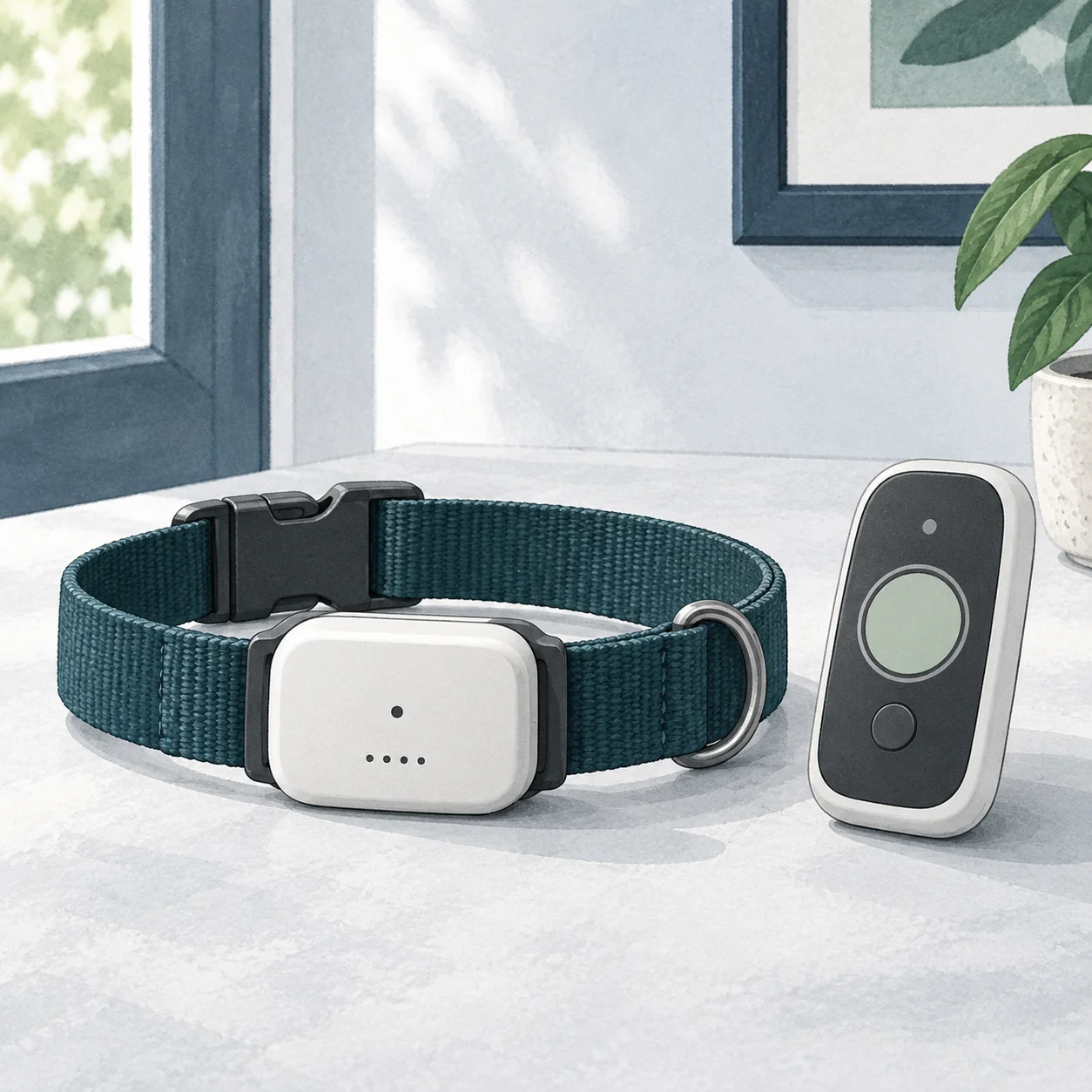
Long-battery smart cellular collar
Fi Series 3+
Model Series 3+
Battery-first smart-collar tracking where compatible cellular coverage is dependable.
Check current price on Amazon (affiliate link, opens in a new tab)DOG TRACKING · GUIDE LIBRARY
Start with coverage, terrain, and the equipment you will actually carry. Then compare the tracker type that fits the real situation.
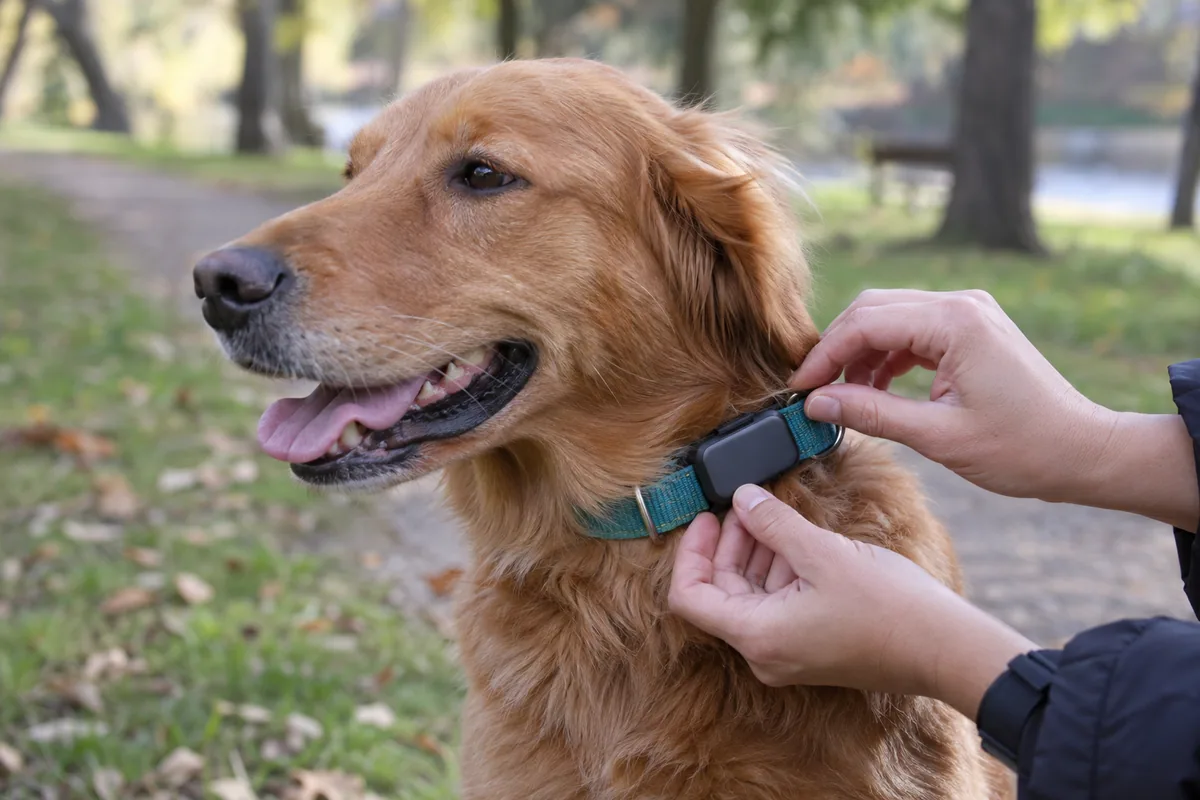
Compare phone-based tracking where compatible cellular coverage is dependable.
Look at systems for acreage, hiking, hunting, or field use where towers may be unavailable.
Start with the connection method, the places your dog goes, and the equipment you will actually use.
TWO RESEARCHED STARTING POINTS
Fi Series 3+ is the cellular smart-collar path. Dogtra PATHFINDER2 is the direct-radio path when you will carry a receiver and need tracking beyond dependable cell coverage.
Long-battery smart cellular collar
Model Series 3+
Battery-first smart-collar tracking where compatible cellular coverage is dependable.
Check current price on Amazon (affiliate link, opens in a new tab)Direct-radio dog tracking
Model PATHFINDER2
Direct-radio tracking beyond dependable cell coverage.
View on Amazon (affiliate link, opens in a new tab)